
How can we preserve space for dialogue in an increasingly polarized society, and how can we foster public discourse based on respect for diversity rather than division and exclusion? These were the key themes of the panel discussion “Public Discourse in Times of Polarization: How to Preserve Space for Dialogue”, held in Novi Sad on the occasion of the International Day for Countering Hate Speech.
The event brought together representatives of institutions, international organizations, academia, media, civil society, and youth organizations to discuss the role of various stakeholders in building a more tolerant and inclusive society.
Plamena Halacheva, Deputy Head of the Delegation of the European Union to the Republic of Serbia, emphasized that in modern times hate speech is often disguised as democracy, but that it is essential to be clear and unequivocal: freedom of expression is not, and must never be, equated with hate speech.
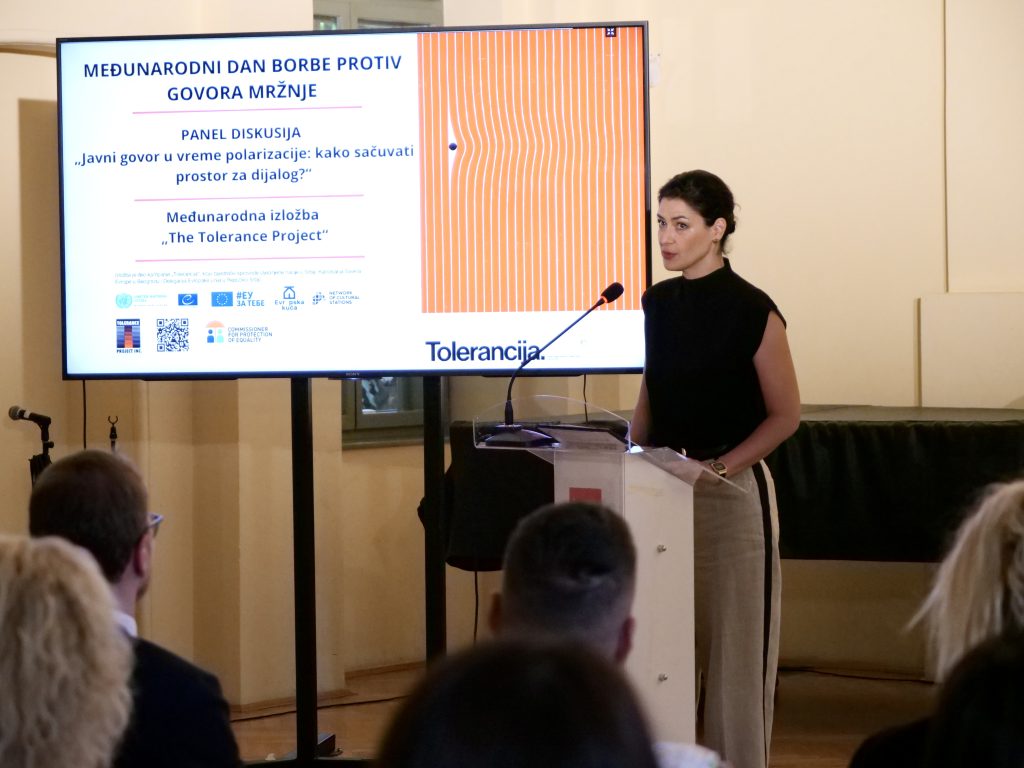
“Hate speech is never just a collection of offensive words. Words carry weight. They can hurt, make someone feel less worthy, unwelcome, or unsafe. They can leave lasting and profound consequences, sometimes even fatal ones. That is why it is important to speak openly about this issue and not remain silent. We may not always have the perfect response, but we must clearly point out that hatred is unacceptable. Sometimes that means speaking out publicly, sometimes supporting a person who has been targeted, and sometimes simply saying: this is not right”, Halacheva stressed.
Opening the event, Milan Antonijević, Commissioner for the Protection of Equality of the Republic of Serbia, noted that the danger of hate speech lies in its ability to degrade and dehumanize individuals and groups, while creating an environment of exclusion, fear, and division.
“Today, more than ever, it is important to distinguish between disagreement and hatred. Disagreement is normal, criticism is legitimate, and protest is a democratic right. But humiliation, dehumanization, and calls for discrimination and violence must never be acceptable. When we reduce people to labels, we stop seeing them as human beings, and that is precisely when the most dangerous divisions in society begin”, Antonijević said.
According to Matilde Mordt, United Nations Resident Coordinator in Serbia, hate speech is never merely “a set of words.”
“It undermines social cohesion, erodes trust, and can create conditions in which discrimination, hostility, and even violence become more likely. Responding to hate speech requires responsibility, education, persuasive counter-narratives, and ensuring that everyone can participate in public life without fear of exclusion. The answer is not silence, but a commitment to human rights, dialogue, and equal dignity for all”, Mordt stated.
János Babic, Head of the Council of Europe Office in Belgrade, referred to the latest annual report of the European Commission against Racism and Intolerance (ECRI), which warns that hate speech is increasingly being normalized and trivialized across Europe, both in public discourse and online.
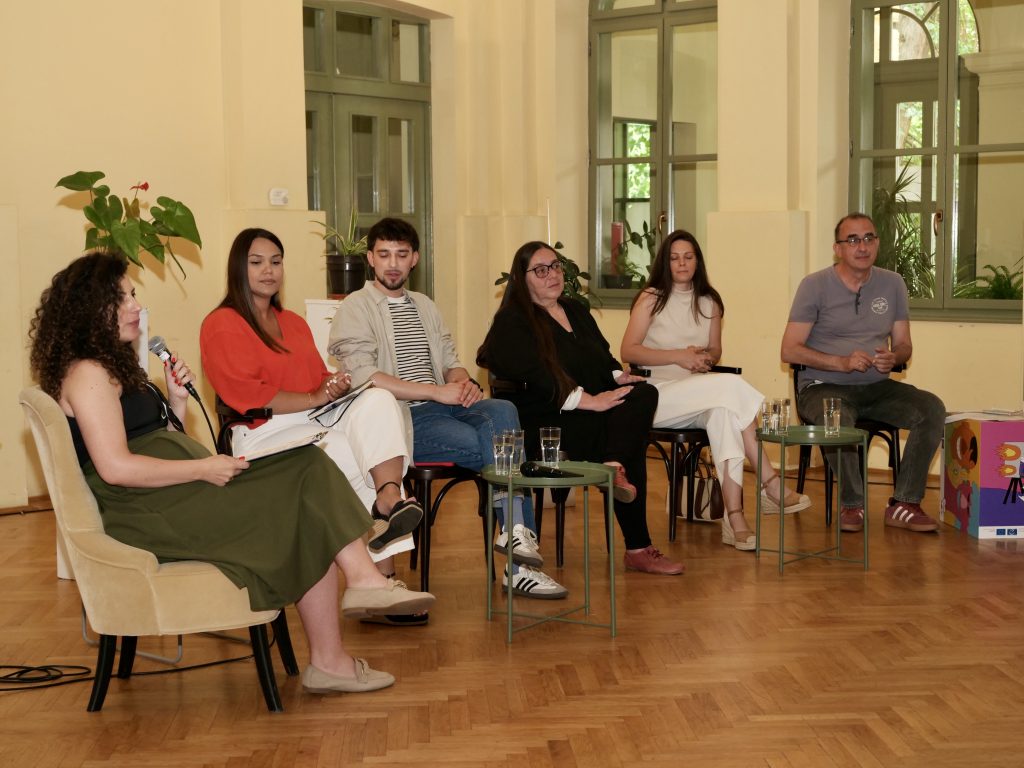
During the panel discussion “Public Discourse in Times of Polarization: How to Preserve Space for Dialogue”, participants explored, from different perspectives, the challenges posed by polarization and hate speech in the public sphere, as well as ways in which institutions, media, civil society, and young people can contribute to creating space for open and responsible dialogue.
The discussion focused on the boundaries between freedom of expression and hate speech, the ways public discourse is shaped, the influence of media and education on understanding diversity, and opportunities to strengthen a culture of dialogue in which disagreements do not lead to discrimination and exclusion.
Moderated by Nedeljka Borojević, the panel featured Prof. Dr. Dinko Gruhonjić, Associate Professor at the Department of Media Studies, Faculty of Philosophy, University of Novi Sad; Milica Janjatović Jovanović, Project Coordinator at the Novi Sad School of Journalism; Boris Kojčinović, a student at the University of Novi Sad; Kosana Beker, Programme Director of FemPlatz; and Monika Mitrović from the Association of Young Volunteers.
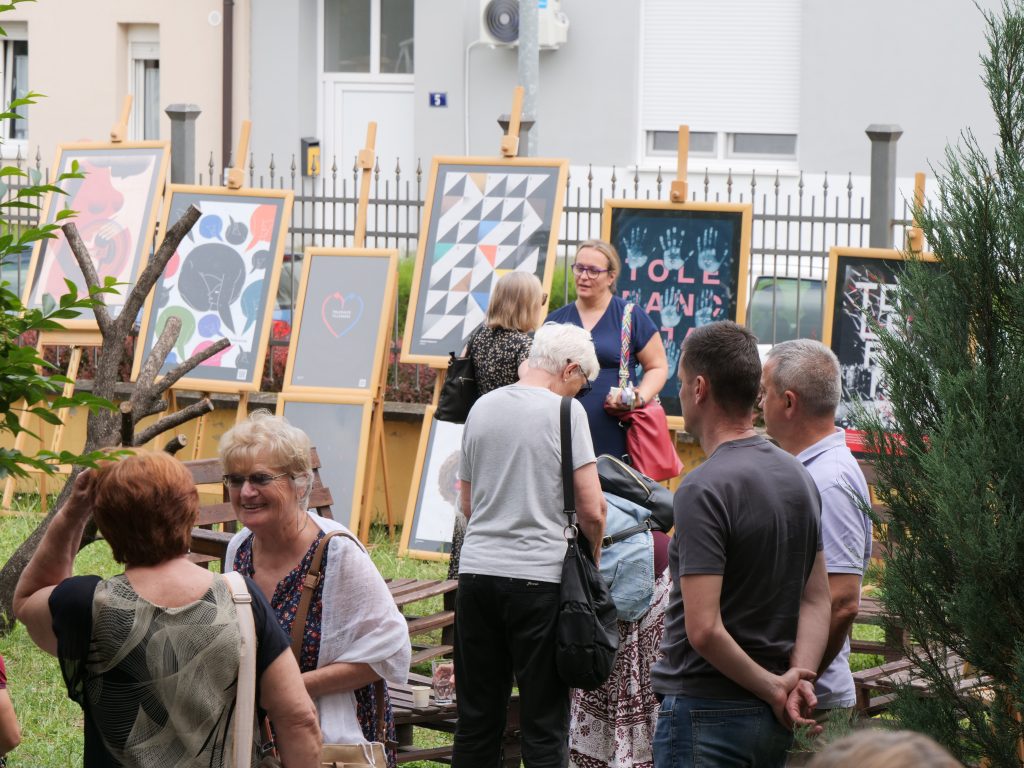
Following the panel discussion, the international exhibition “The Tolerance Project” was opened. This global initiative by renowned designer Mirko Ilić promotes tolerance, respect for diversity, and a culture of dialogue through art. The exhibition features works by designers from around the world and has been presented in more than 40 countries to date. It is part of the broader Tolerance campaign implemented by the United Nations in Serbia, the Council of Europe Office in Belgrade, and the Delegation of the European Union to Serbia.
The event was organized by the United Nations in Serbia, the Commissioner for the Protection of Equality of the Republic of Serbia, the Delegation of the European Union to the Republic of Serbia, Europe House Novi Sad, and the Council of Europe within the framework of the Horizontal Facility for the Western Balkans and Türkiye programme, with the aim of raising awareness about the harmful consequences of hate speech and promoting the shared values of tolerance, equality, and mutual respect.