

Designed with the aim of providing the most vulnerable citizens with not only a roof over their heads, but also concrete support for inclusion in society, the European Union Support for Social Housing and Active Inclusion (EU SHAI) program is one of the most ambitious social policy projects implemented by the European Union in Serbia.
From the very beginning, this program has shown that sustainable solutions are only possible when housing solutions are linked to education, employment and social protection measures. The focus of the program is on the Roma community as the primary target group, women victims of domestic violence , young people who leave the protection system and people with disabilities.
Social housing and active inclusion projects were implemented in 19 cities and municipalities throughout Serbia. The set goals envisaged a housing solution with accompanying measures of active inclusion for 381 families in Čačak, Svilajnec, Loznica, Vrnjačka Banja, Ljubovia, Šabac and Raška.
Among the municipalities that achieved particularly visible and measurable results, Svilajnac and Raška stand out as examples that show what an integrated and long-term approach can achieve for specific people and communities.
Svilajnac: New home and own business
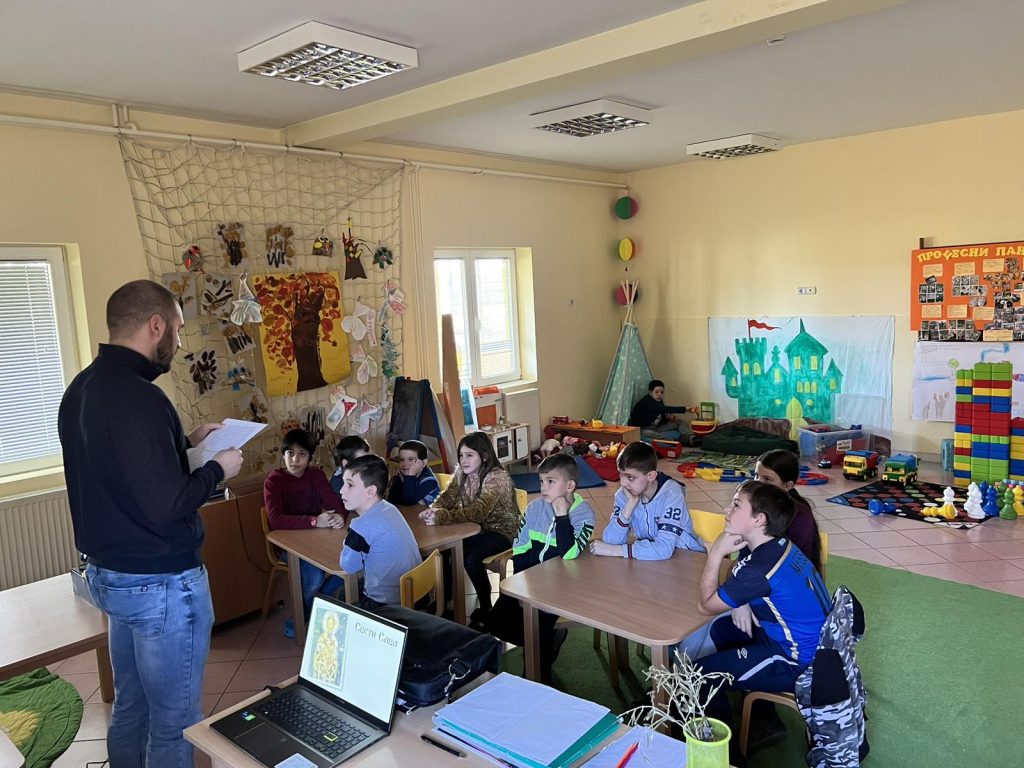
In Svilajnac , 30 users were included in the training for in-demand occupations such as car mechanic, waiter, assistant cook, bookbinder and security worker, 16 of whom were women , while 16 people attended the driving training for category B, of which 9 were women . In Svilajnec, a health mediation service was implemented and provided to 89 users . Through the family strengthening program, 63 beneficiaries were included, while the service of additional educational support in preschool and elementary education included 29 children , of which 16 were girls.
Behind the statistics and numbers are real lives.
Miša Stojanović left his family home after the municipal decision on the development of that part of the city removed the informal Roma settlement where he lived with his family. Misha applied for the social housing program. Before securing an apartment in a newly built building for himself, his wife Katarina, and two daughters, Misha completed construction training through active inclusion measures and opened his own registered masonry shop. Misha and his family not only provided a roof over their heads, but also a perspective for the future.
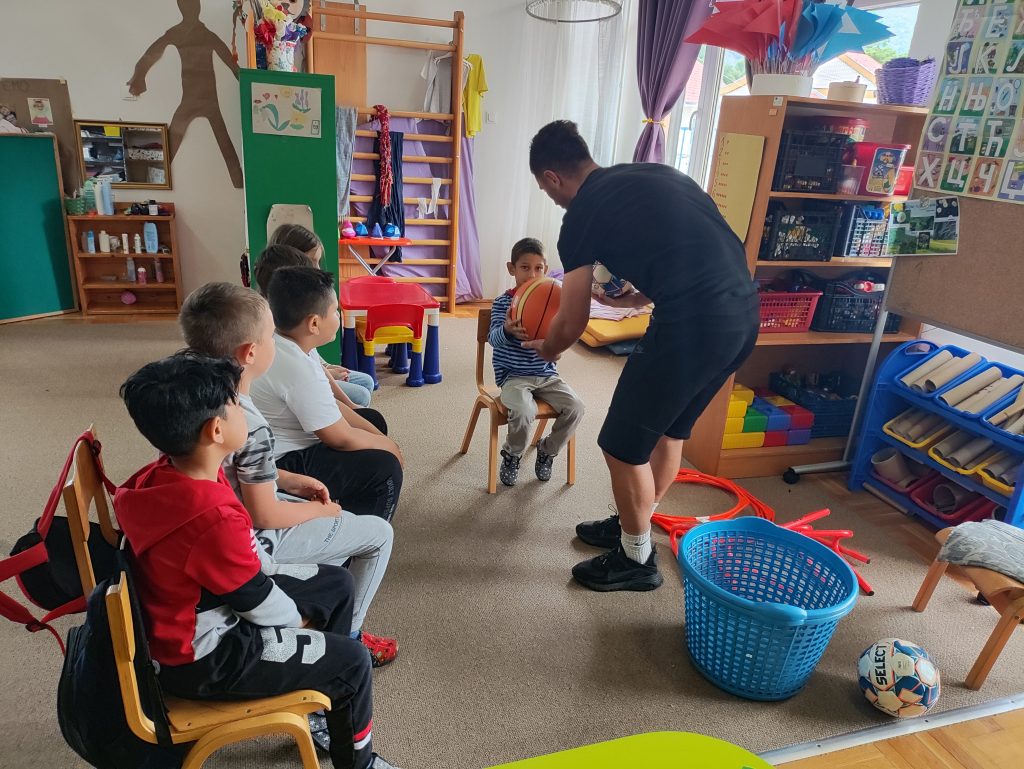
And in the municipality of Raška, more than 80 people got a permanent home in 18 newly built apartments for Roma families in the Kučevski lug settlement. At the same time, more than 20 social inclusion measures were implemented in the fields of education, health and social protection, employment and legal aid.
The specificity of the Raš model is that the Roma themselves participated in all phases of the project, from planning to moving in , together with the local self-government and the Ecumenical Humanitarian Organization as a field partner. Through the economic empowerment program, several women from the Roma community successfully passed the driving test for category B, which for many of them was the first step towards economic independence.
For some of the women, the support of the program provided personal documents, access to health care and social assistance for the first time.
Raška is a municipality that has been building a comprehensive system of local social protection for years, which includes the Counseling Center for Early Development, the first cross-sectoral service of its kind in Serbia, the service of additional socio-educational support for children at risk of exclusion, as well as the function of a field associate who reaches invisible users in rural areas. All these services are part of the local budget and strategic documents of the municipality, which ensures their long-term sustainability.
The European Union’s support for social housing and active inclusion is financed by the European Union (27 million euros) and implemented by UNOPS. Through 19 social housing and active inclusion projects, the Program provided adequate housing solutions, followed by active inclusion measures, for 350 of the most vulnerable families, with more than 1,200 members. As part of the Program, five infrastructural projects were implemented, the goal of which is to improve the general living conditions in substandard settlements throughout Serbia. This project is part of the last EU SHAI Public Call aimed at providing support to civil society organizations, through providing a new space for the provision of social protection services, as well as for the introduction of new and improvement of existing innovative open-type social protection services in the community.