

Understanding that their voice has value and that they have the right to participate in decision-making does not come spontaneously – it is built from an early age. This was precisely the starting point of the workshop “We Participate and Decide”, held in Bačko Gradište to mark International Roma Day. Through play, drawing, and collective decision-making, children learned what it means to be part of a community and why it is important to build self-confidence so they can truly believe that their voices are heard.
The workshop was organized by EU Corner Bečej, within the BUM Bečej association, in cooperation with the Europe House Novi Sad, and was intended for Roma children aged 8 to 15. Through an interactive and creative approach, participants learned how to express their opinions, listen to others, and take part in the decision-making process.
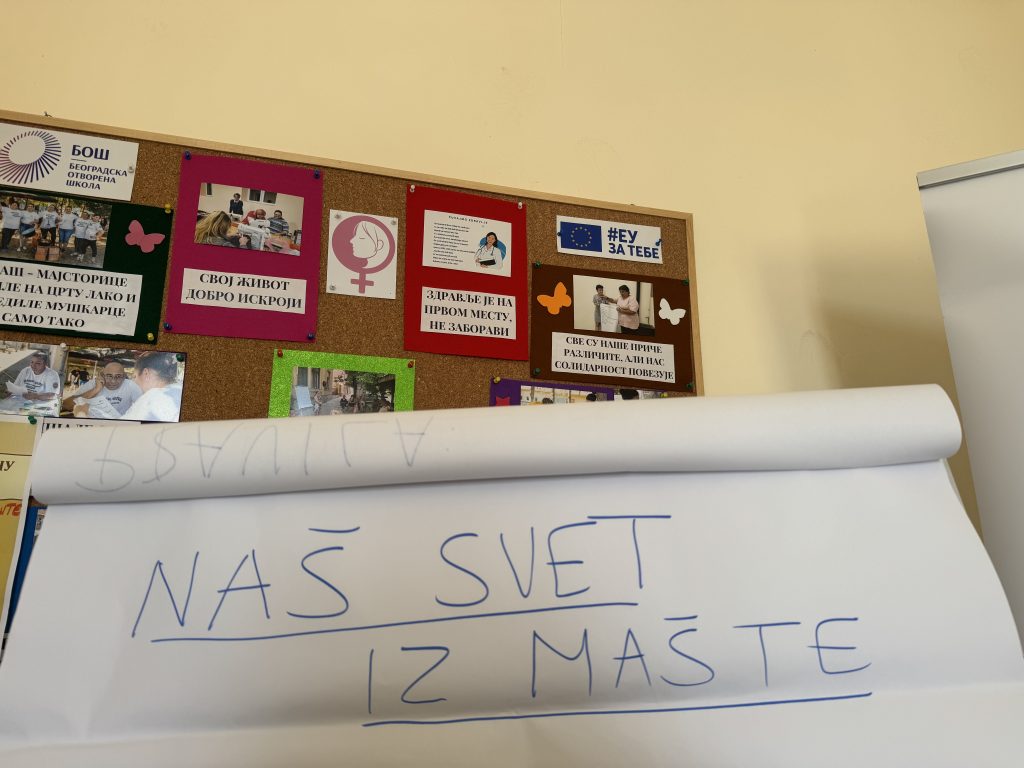
Self-Confidence as the First Step Toward Inclusion
As highlighted by Dobrila Đin from the humanitarian association “Đina”, working with Roma children often begins with empowerment and breaking the feeling of marginalization.
“Young people of Roma nationality are often marginalized and live in more difficult conditions, but it is important that from an early age they understand that they are not rejected and that they have their place in the community. That is why we strive to work precisely where the needs are greatest”, Đin emphasized.
As she explained, a lack of self-confidence is one of the key challenges children face.
“Children often feel that others perceive them differently. Our goal is to change that—to help them feel accepted, to relax, and through activities develop trust, as well as new friendships”, she added.
Through mixed groups and shared activities, the organizers aim to encourage tolerance and break down stereotypes, both among children and within the wider community.
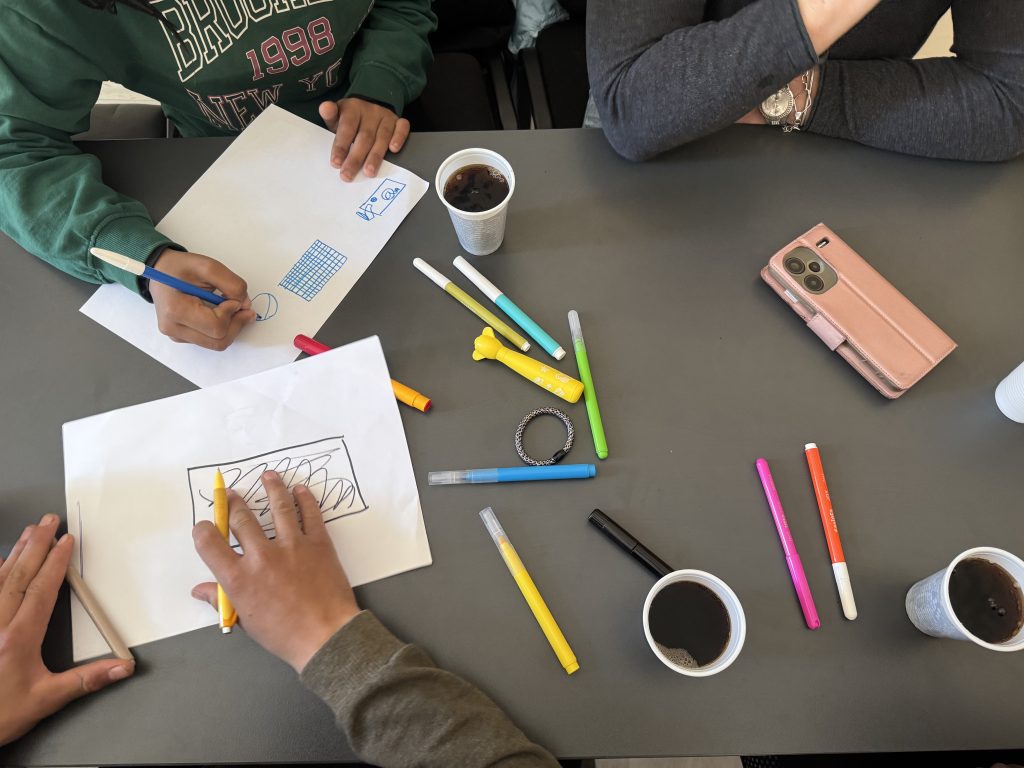
Learning Through Play and Collective Decision-Making
The workshop was designed to introduce children to basic democratic principles through a creative process. Participants were given the task of designing their own “ideal city,” thinking about what they need in their environment.
A special segment was dedicated to voting for the best ideas, through which participants learned how the decision-making process works and why it is important to take part. The conclusion the children reached on their own was that it is important to participate and vote, because that is how their voices are heard. They also realized that even if their idea does not win immediately, it can succeed later if they remain persistent.
Jovana Pongračić emphasized that involving children in the broader social community is essential for their development and sense of belonging.
“It is important for children to be included in the system, to socialize and become familiar with their environment, but also for the community to get to know them. Diversity is a great asset, and it is necessary to build tolerance and exchange among people”, Pongračić pointed out.
She added that the goal of such activities is to ensure that children do not remain confined to isolated circles, but instead actively participate in society and become aware of the opportunities it offers.
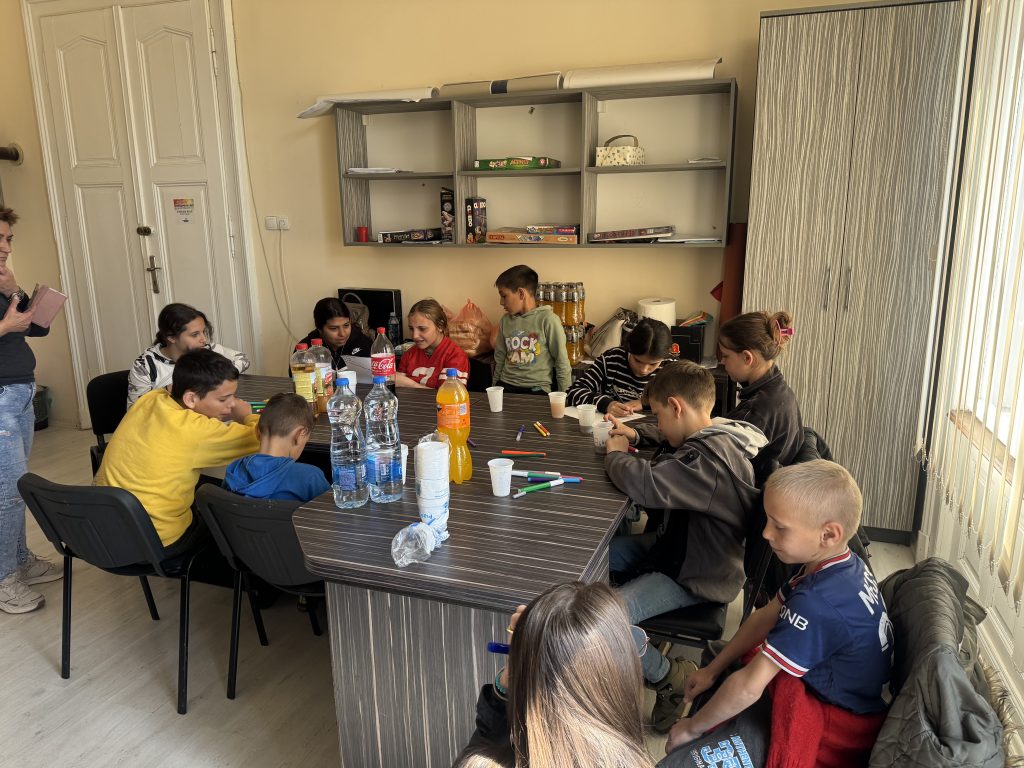
The workshop “We Participate and Decide” is part of long-term activities aimed at empowering the Roma community and encouraging the active participation of children and young people. As the organizers emphasize, the key goal is for children to understand that they have the right to express their opinions and that their views matter.
Through programs like this, children develop self-confidence, a sense of belonging, and an understanding of basic democratic principles – values that are essential for active and equal participation in society.
The workshop was organized to mark International Roma Day. The European Union is the largest donor and partner in the field of social inclusion in Serbia, where projects worth €30 million are currently being implemented. Through education support programs, around 2,000 scholarships are awarded each year to Roma students, while additional initiatives include field support through mobile teams, as well as programs for social housing and the economic inclusion of Roma families.