
Julian Vassallo, Chargé d’Affaires of the EU Delegation to Serbia, presented the European Commission’s 2026 Report on Serbia in the main hall of the Regional Chamber of Commerce in Niš, in his first week in the post.
He said the Report comes at a particularly important moment, both for the European Union and for Serbia.
“At the parliamentary elections, Serbian citizens made their voices clear,” Mr Vassallo said. “They demanded justice, accountability, free media, democratic institutions that work for citizens, and respect for human rights.”
He described the moment as a defining one for the European Union as well. Accession negotiations are advancing decisively with four candidate countries, Montenegro, Albania, Ukraine and Moldova, which have been offered roadmaps, and Montenegro is approaching membership, with its accession treaty now being drafted.
“A bigger Union is becoming a reality. Enlargement is going to happen”, he said.
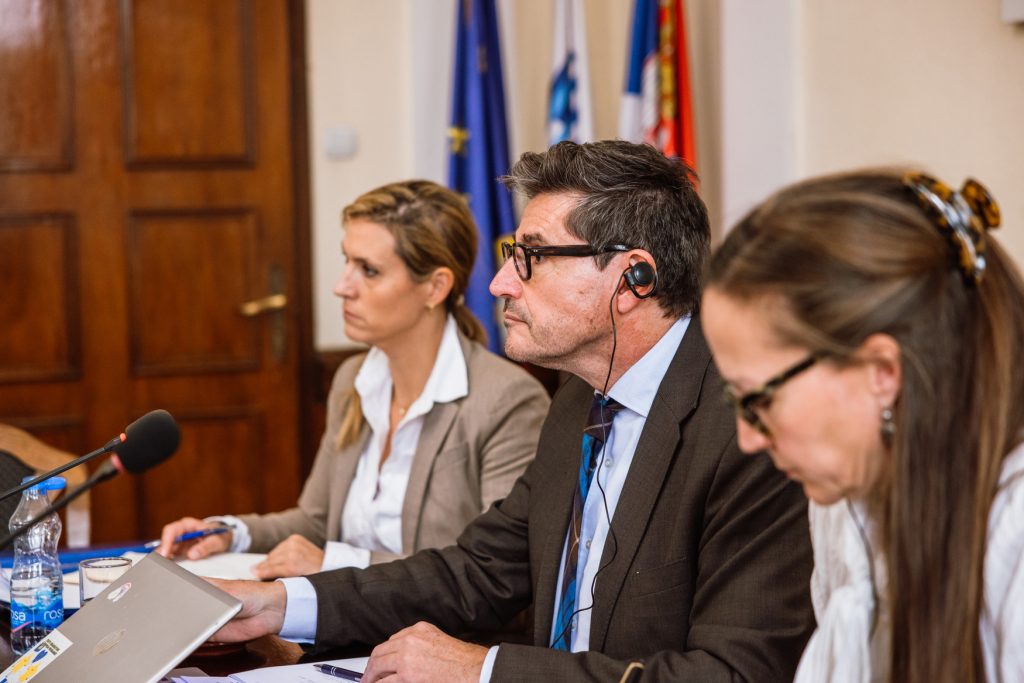
Turning to the Report, Mr Vassallo described it as a sober, factual and evidence-based assessment of where Serbia stands in the EU accession process. Serbia remains among the candidates with the highest alignment with EU law and has met the technical benchmarks to open Cluster 3.
“But there has been no progress in the accession process taken altogether,” he said. “And the situation has worsened where it matters most: on the fundamentals.”
He pointed to no progress on the judiciary and backsliding on freedom of expression, public administration and academic freedom. Independent media have been under pressure, the anti-corruption framework remains too weak and the risk of state capture has been real.
He said Serbia’s low alignment with the EU’s Common Foreign and Security Policy is also a concern, as is the glorification of convicted war criminals, which is incompatible with European values and undermines trust in the region.
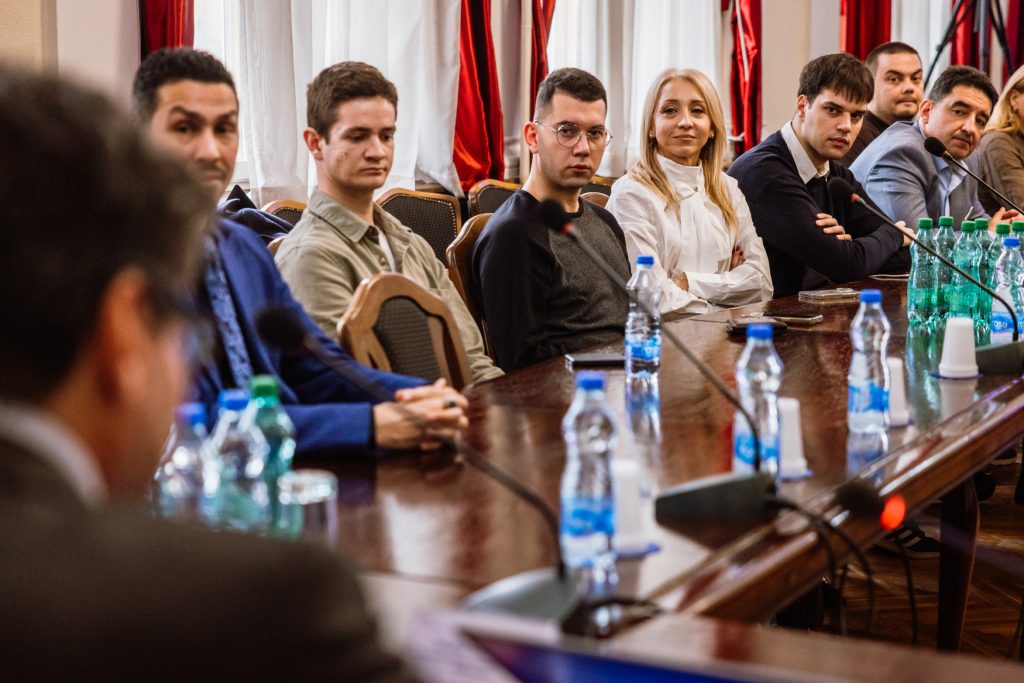
The new government, he said, will have a demanding agenda: bridging divisions, rebuilding trust in institutions, and restoring media independence and pluralism. He added that Serbia’s EU accession process must be owned by the whole of society and driven by facts and open debate rather than manipulation, and that it must include civil society, which has faced relentless attacks and intimidation.
Mr Vassallo welcomed the readiness expressed by the winning list to put democracy and the rule of law at the centre of its policy.
“Rule of law and the need for functioning democratic institutions are precisely the issues that have held Serbia back in its accession negotiations with the European Union,” he said. “Today, the EU stands ready to support the incoming administration in its reform agenda on the rule of law, democratic institutions, media freedom and anti-corruption.”
He concluded that with a renewed energy and priorities that are aligned with the EU, Serbia has everything it needs to become again one of the frontrunners among the candidate countries.