
What does Portugal’s national flower look like? What makes the cornflower from Estonia or the cyclamen from Cyprus special? This time, the answers to these questions were not sought by scientists, but by children who took part in workshops held in March and April at Europe House.
Over the course of two months, young explorers and artists embarked on a creative journey across Europe, discovering the plants that represent different countries and turning them into colourful illustrations.
The result of their work is the “European Herbarium” exhibition, which opened on 5 June at Europe House in Belgrade as part of this year’s EU Green Week – the traditional annual European Union event dedicated to environmental issues.
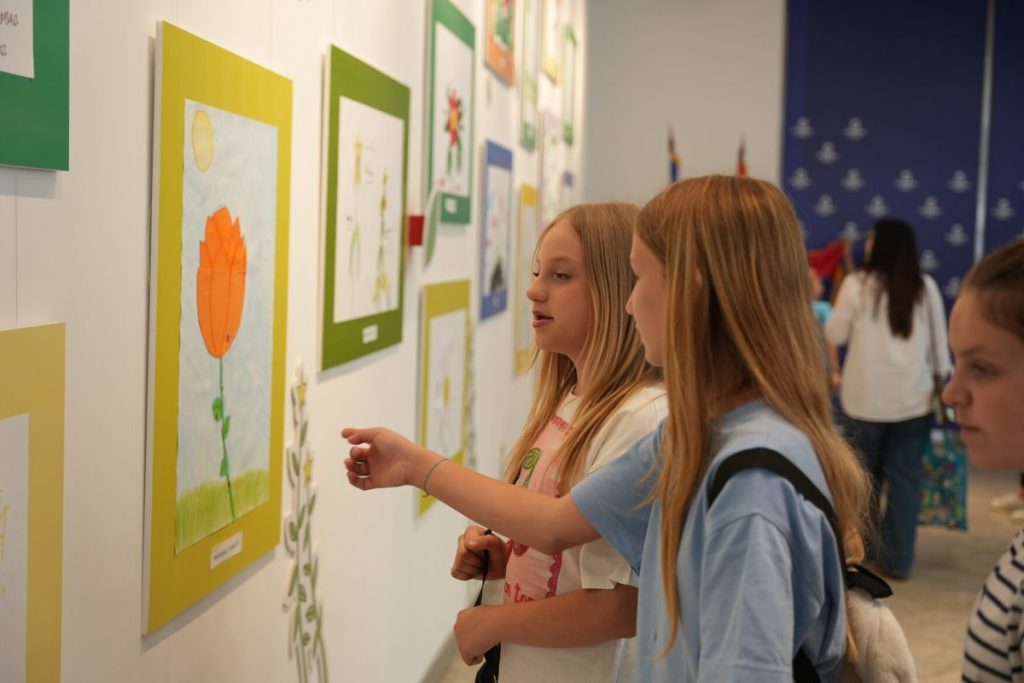
European Herbarium is a collection of children’s illustrations of the national flowers of Serbia and the Member States of the European Union. It was created as the result of creative workshops for children aged 6 to 12, during which participants explored the plant world of Europe, learned about the national flowers of different countries, and expressed their impressions on paper through drawings, collages and illustrations.
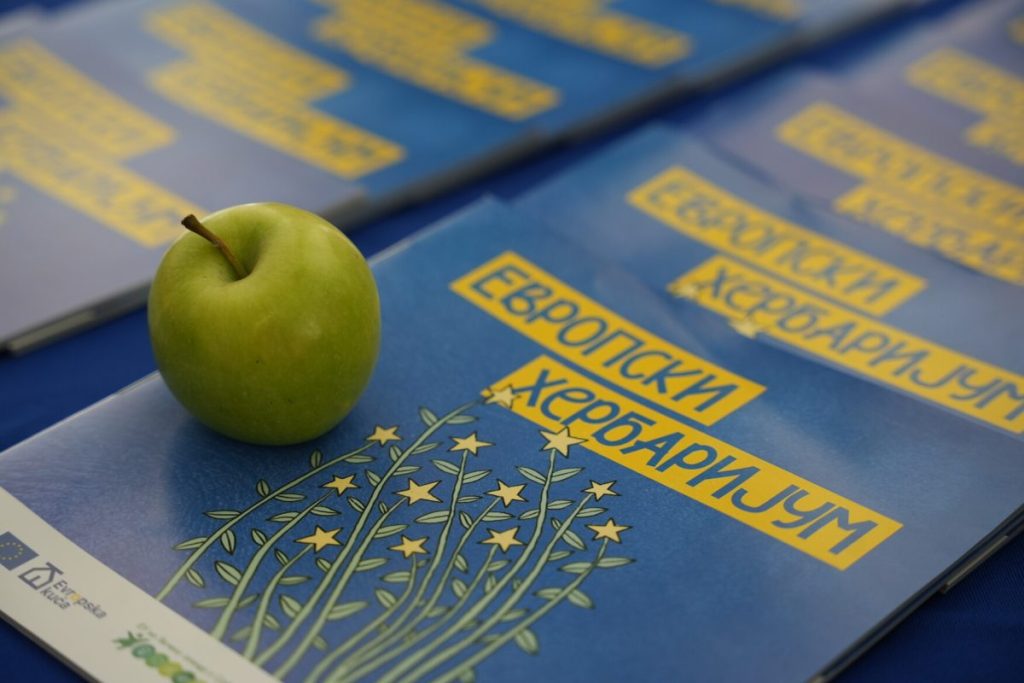
In addition to the exhibition, a catalogue of the same name was presented, inspired by botanical books. Alongside each illustration, it features interesting descriptions of the plants, allowing visitors to learn something new about the natural wealth of Serbia and Europe.
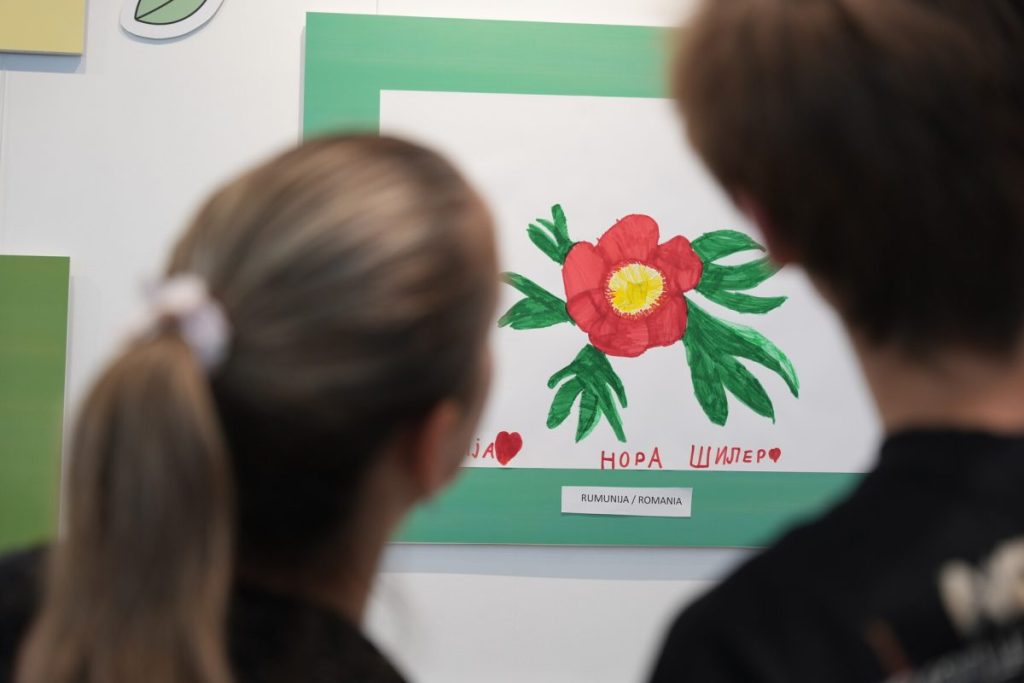
The workshops were jointly organised by Europe House in Belgrade, the “Siniša Stanković” Institute for Biological Research and the Children’s Cultural Centre. Through a combination of science, art and play, children learned about biodiversity, the importance of nature conservation and how each of us can contribute to protecting the environment.
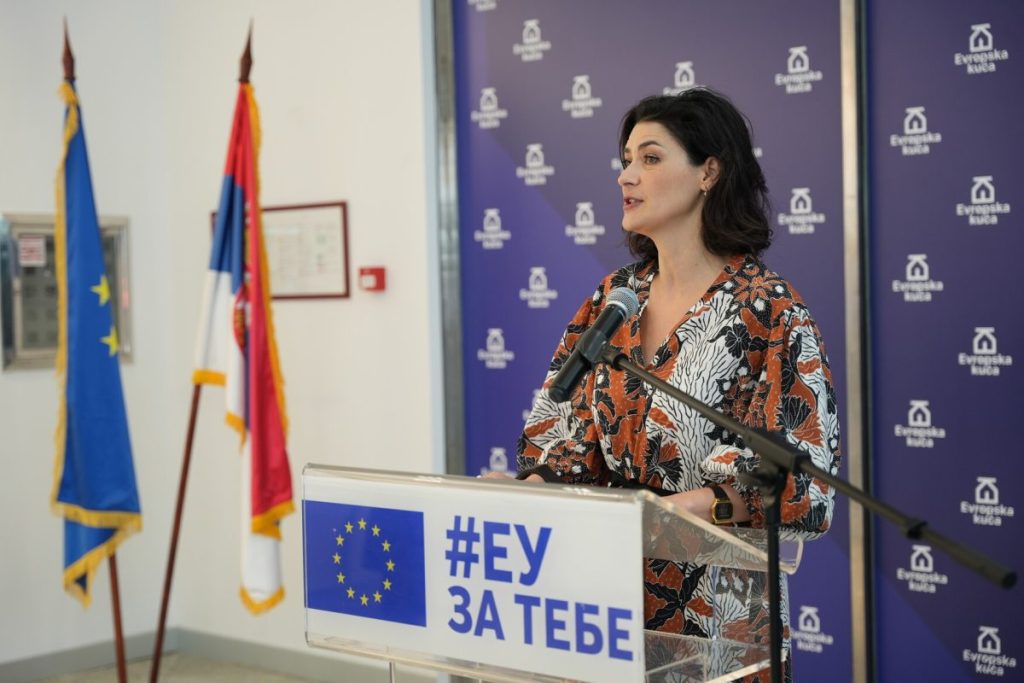
At the opening of the exhibition, the Deputy Head of the Delegation of the European Union to Serbia, Plamena Halacheva, said that through their work, the children had become true ambassadors of biodiversity and had shown how creativity can inspire care for the planet.
Among the young artists was Ana Denčić, a fourth-grade pupil at “Vasa Pelagić” Primary School, who illustrated the Cyprus cyclamen together with her classmates.
“At the workshops in Europe House, we worked on many plants and flowers. It was very nice and interesting for us,” said Ana.
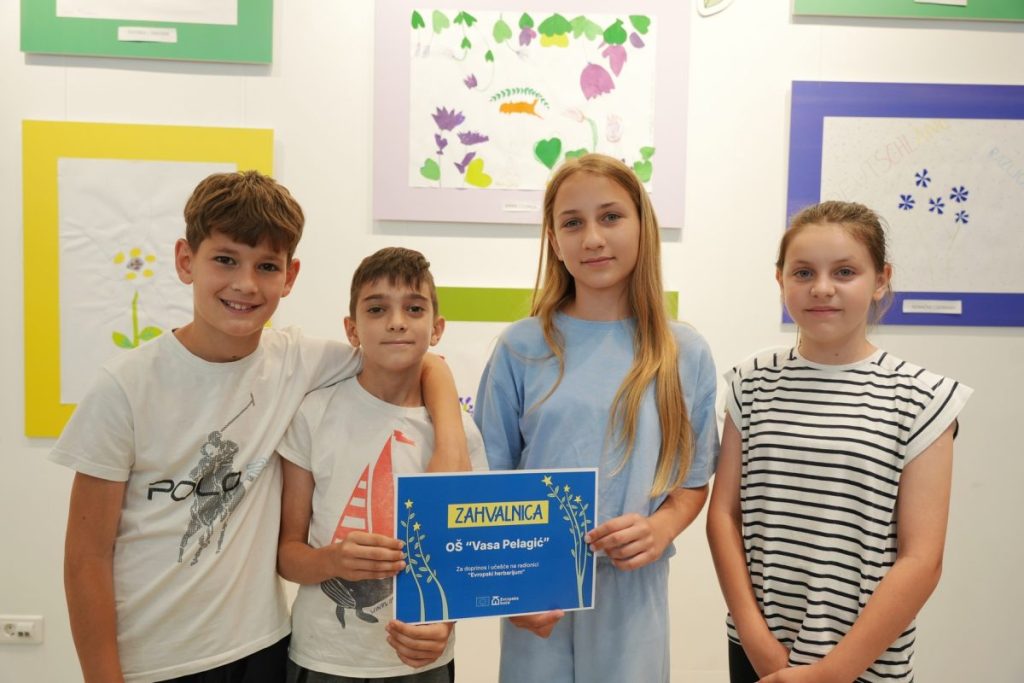
Europe House Team Leader Srđan Staletović thanked the workshop participants and underlined that all activities organised as part of EU Green Week are focused on caring for nature, as this exhibition clearly shows.
The exhibition is a reminder that learning about nature can be fun, creative and inspiring. It shows how children, through drawing, exploration and spending time together, can discover the world around them and develop a love of nature.
Visitors can see the exhibition at Europe House in Belgrade, at the corner of Knez Mihailova and Zmaj Jovina streets, until 12 June.
This year’s EU Green Week offers numerous activities for children, young people and families in Belgrade, Novi Sad, Niš, Novi Pazar, Leskovac and on Fruška Gora. The programme includes workshops, festivals, exhibitions, educational activities, board games and other events that promote nature protection and sustainable lifestyles in an engaging way.