
To mark 40 years since Spain and Portugal joined the European Union, Europe House in Belgrade hosted an event on 20 November devoted to the role of European cooperation in developing culture and to new opportunities for Serbia’s cultural scene.
Spain and Portugal became members of the European Union on 1 January 1986. According to the European Commission, more than €250 billion has since been invested in the regions of the two countries, and membership has helped create new jobs, modernise economies and strengthen ties between people. More can be found on the European Commission’s “40 years together” page.
The event was organised by Europe House Belgrade, the Creative Europe Desk Serbia, and the Embassies of Spain and Portugal in the Republic of Serbia. Participants were welcomed by Julian Vassallo, Chargé d’Affaires of the Delegation of the European Union to Serbia, and Ander Ruiz de Gopegui Aramburu, Ambassador of Spain to Serbia.
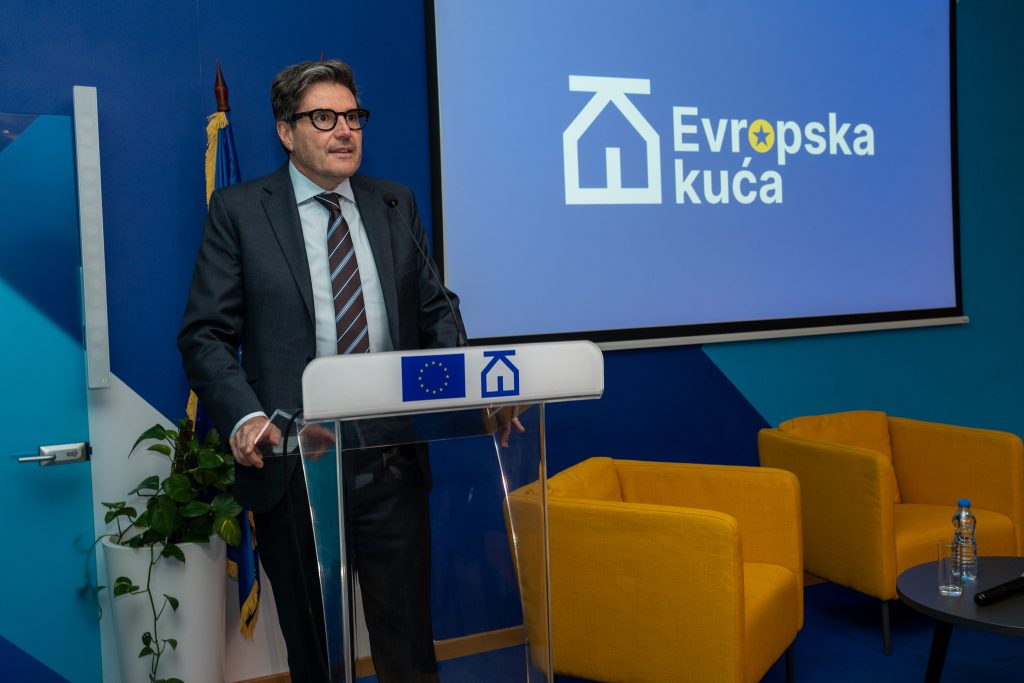
“For them, joining was far more than an economic decision. It was a choice for freedom, openness, and a shared European future. Serbia’s path to the European Union is a path of reforms, but it is also a path of connections between people. Culture is one of the strongest bridges we have,” said Vassallo.
“For Spain, joining the European communities in 1986 was much more than an economic or diplomatic decision. It was a choice about the kind of country we wanted to become: a democratic, open, prosperous and European country. Over the last 40 years, Spain has become more European without becoming less Spanish,” said Spanish Ambassador Ander Ruiz de Gopegui Aramburu, adding that Spain supports Serbia’s European path.
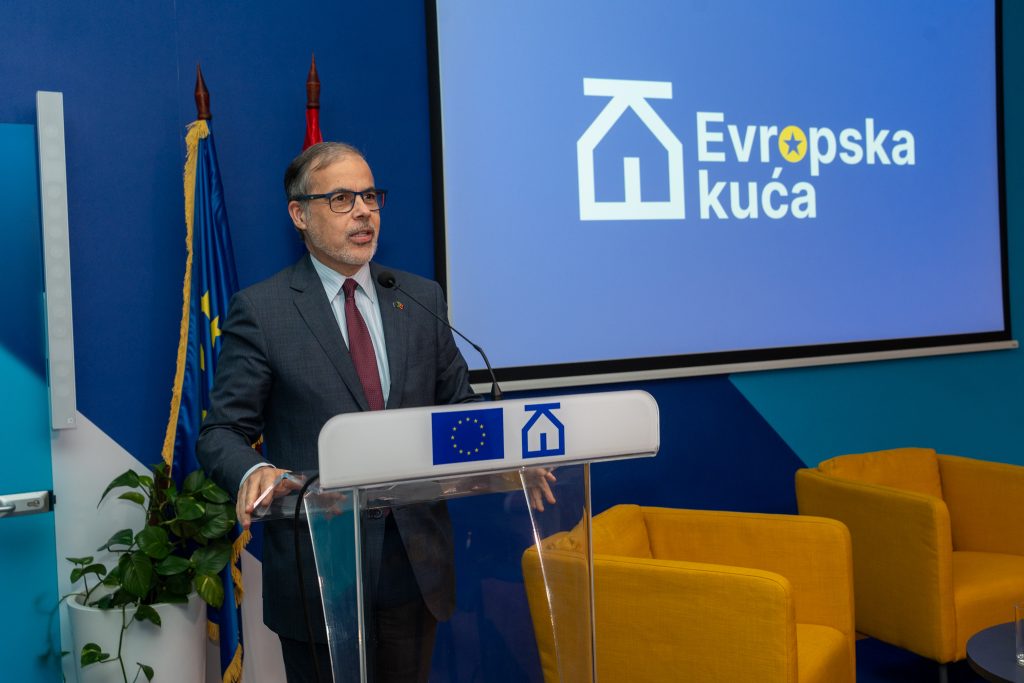
The participants were also addressed at the start of the event by Portuguese Ambassador José Rui Velez Caroço.
“Over the last forty years, a profound change has taken place in our country that has transformed every area of life. But of course, changes in culture and in mentality were what mattered most in leading people towards the European Union, and without them the change would not have happened,” the Portuguese Ambassador said.
Mónica Comas, Head of the Creative Europe Desk Spain, and Sara Machado, Head of the Creative Europe Desk Portugal, shared through a lecture and moderated conversation how cultural identities and cultural policies in their countries have evolved over four decades of EU membership.
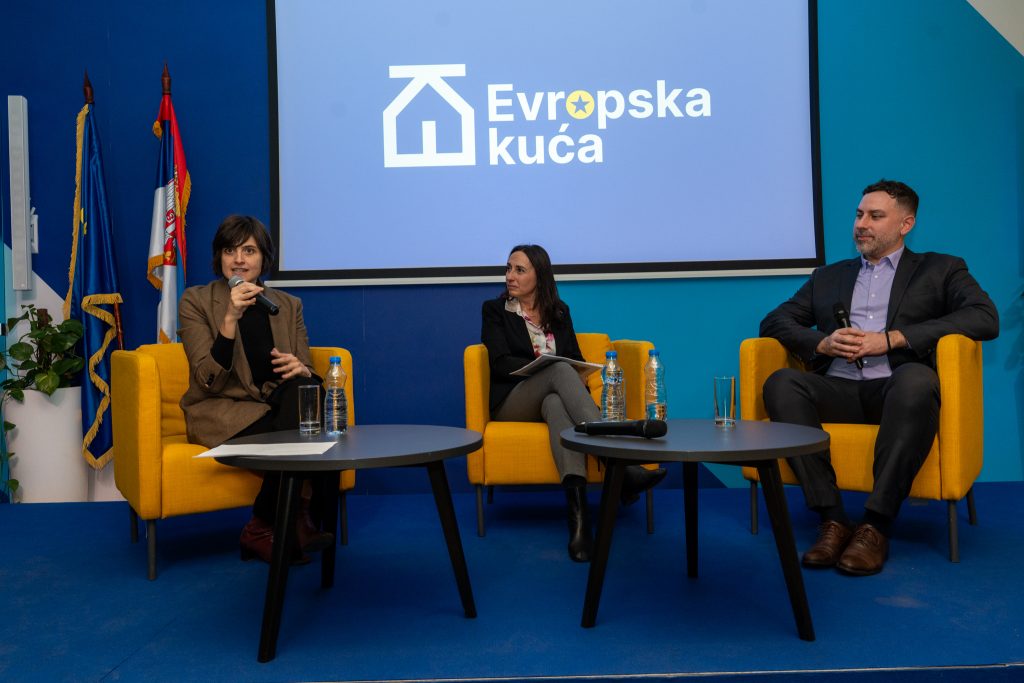
“When Spain entered the EU in 1986, this cultural diversity and all the languages we speak in Spain became even more protected, because the European Union has policies to preserve and promote cultural diversity throughout Europe. That really helped Spain to preserve and promote all those different languages and our very rich cultural diversity,” said Comas.
“Membership helped to open up the Portuguese cultural scene. It allowed artists and culture professionals to engage in European networks and projects, to become more visible and to circulate more in Europe and beyond. We moved from occasional encounters to a more sustained, structured, long-term collaboration,” said Machado.
The special focus was on concrete opportunities for Serbia’s cultural scene: how to find partners in Spain and Portugal, develop international projects, connect with European cultural networks and use EU programmes for new initiatives. The event was intended for representatives of cultural organisations and institutions, artists, producers and cultural managers.
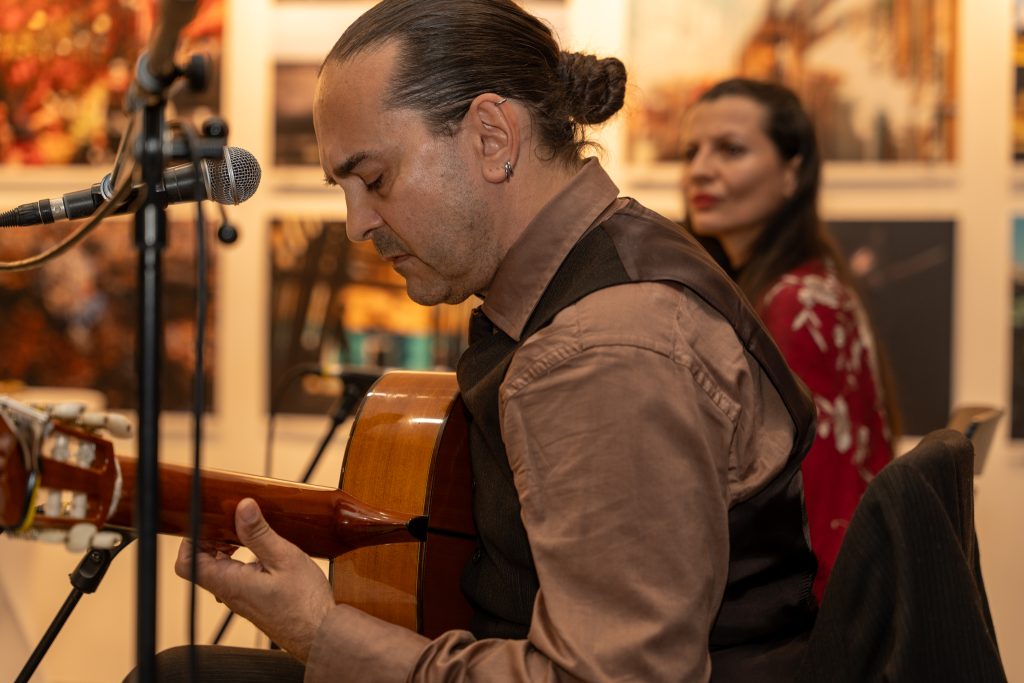
The conversation continued in a more relaxed atmosphere, with a cocktail and live music by the flamenco duo Tilo, made up of Alberto Beni Navarro (guitar and vocals) and Nikolina Šašić (dance and castanets).