
Game On in Čair Park: Togetherness Is Our Game
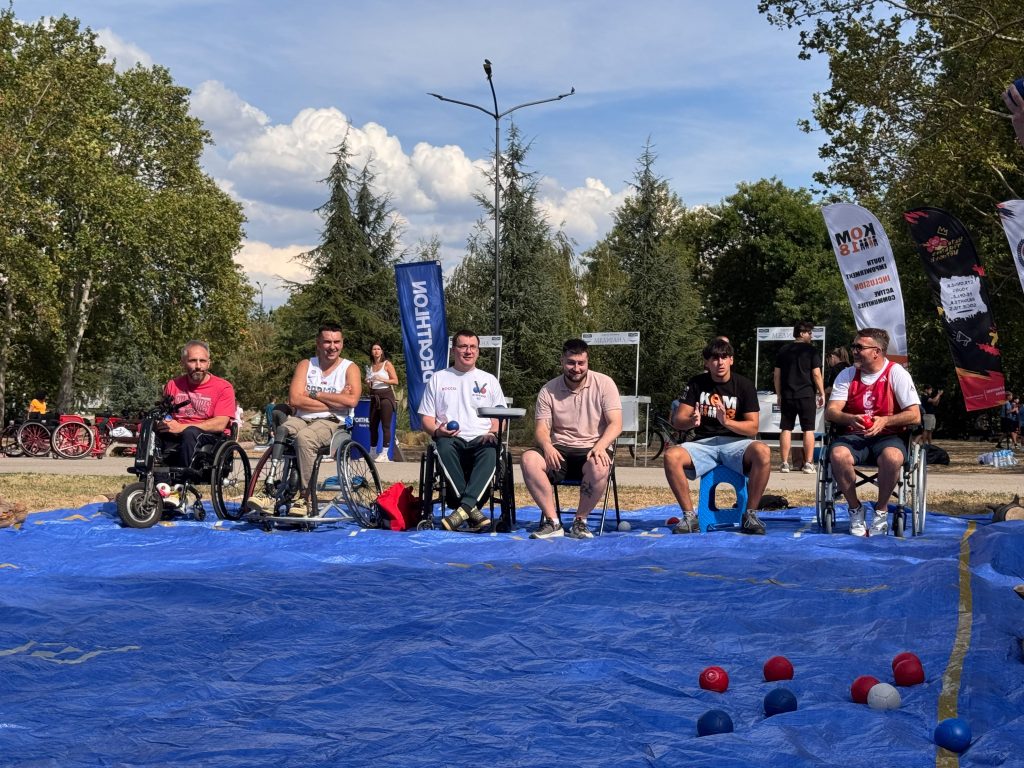
On the second day of European Mobility Week in Niš, Čair Park turned into an open-air sports arena. The Youth Empowerment Club 018 (KOM 018) and the Hate Fighters Network held the Game On festival for the second time at the same location, under the message “Togetherness Is Our Game”.
There was a 3×3 basketball mini-tournament and a five-a-side football tournament, while families competed in “It’s a Knockout” style games. Local football, basketball, handball and dance clubs presented their work, while information points hosted conversations on mental health in sport, gender equality, and preventing a sedentary lifestyle in children.
“The idea for the festival grew out of the long-standing experience of our organizations, which work on community sport and on promoting inclusion and mobility for all groups. This year’s message is togetherness is our game, to show that sport and a healthy lifestyle matter to everyone, and that we should all be here together and play,” said Jovana Janković of KOM 018.
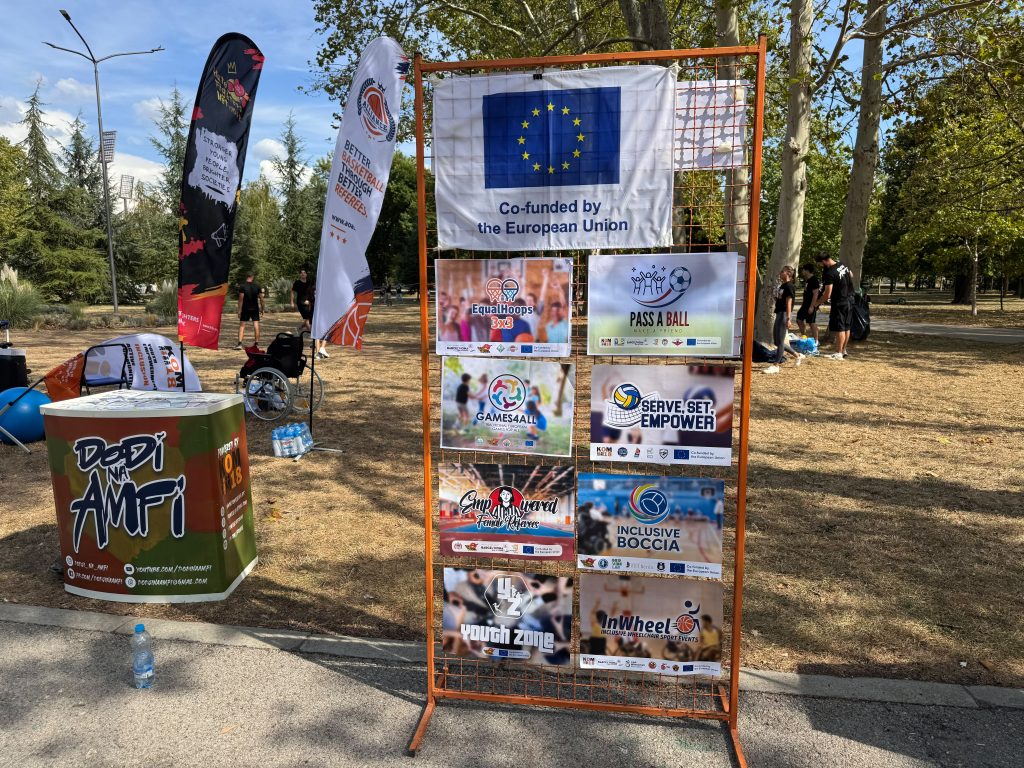
Boccia for everyone
A special part of the programme featured demonstrations of wheelchair basketball and inclusive boccia, in which visitors could take part themselves. Boccia is a Paralympic sport intended for people with more severe forms of disability, but, as Prof. Dr Bojan Jorgić from the Faculty of Sport and Physical Education explained, “for recreational and rehabilitation purposes it can be used by anyone.”
Building on the Inclusive Boccia project, which the Hate Fighters Network is carrying out with co-financing from the European Union together with partners from Serbia, Croatia, Italy and Romania, Niš has gained its first boccia club for people with disabilities, BK “Vilin Grad”. One of the club’s founders and players, Aleksandar Ilić, demonstrated the game at the festival and explained its basic rules. Prof. Dr Jorgić, also a founder and coach of the club, highlighted the importance of boccia for improving the mobility of people with disabilities, as well as for recreation and taking part in sport, which are excellent tools for social connection.
The project also produced Guidelines for Inclusive Boccia, a handbook intended for coaches, sports professionals and organizations. Boccia can also be used in schools. “If you have a child in your class who uses a wheelchair and can’t play certain other sports during physical education class, they can play boccia,” said Jorgić.
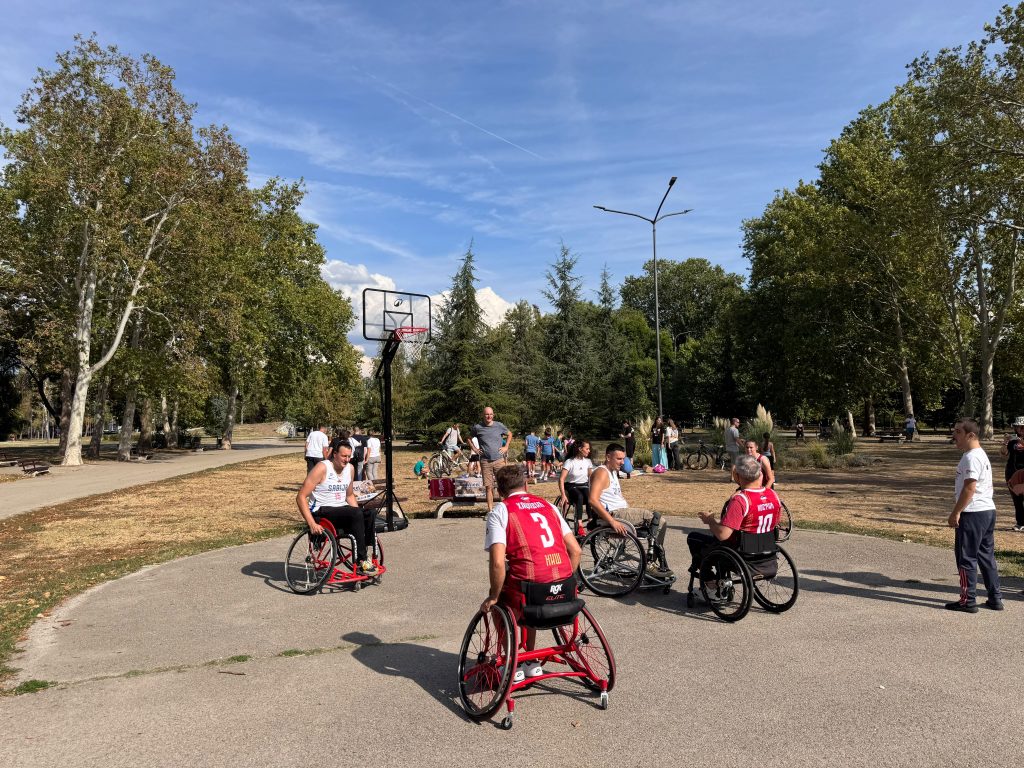
Boccia also opens up the possibility of linking physical education with other subjects, such as maths and geography. The pins are marked with numbers, so the student who first answers a maths question correctly gets the chance to try to hit the corresponding pin. Although traditionally played indoors, boccia has also been adapted for outdoor courts, allowing people with and without disabilities to take part in the same game.
Sport as a space for connection
The festival was carried out through nine international projects co-financed by European Union funds, which KOM 018 and the Hate Fighters Network are implementing with partners from ten European countries. The topics vary widely: from combating hate speech in football and gender equality in sport, to mental health and traditional European games, to wheelchair basketball and inclusive boccia.
In Čair, the message “Mobility for All” thus met the message of the Game On festival: mobility is not just about how we move around the city, but also about the ability to take part, to be active, and to use public spaces without barriers.